
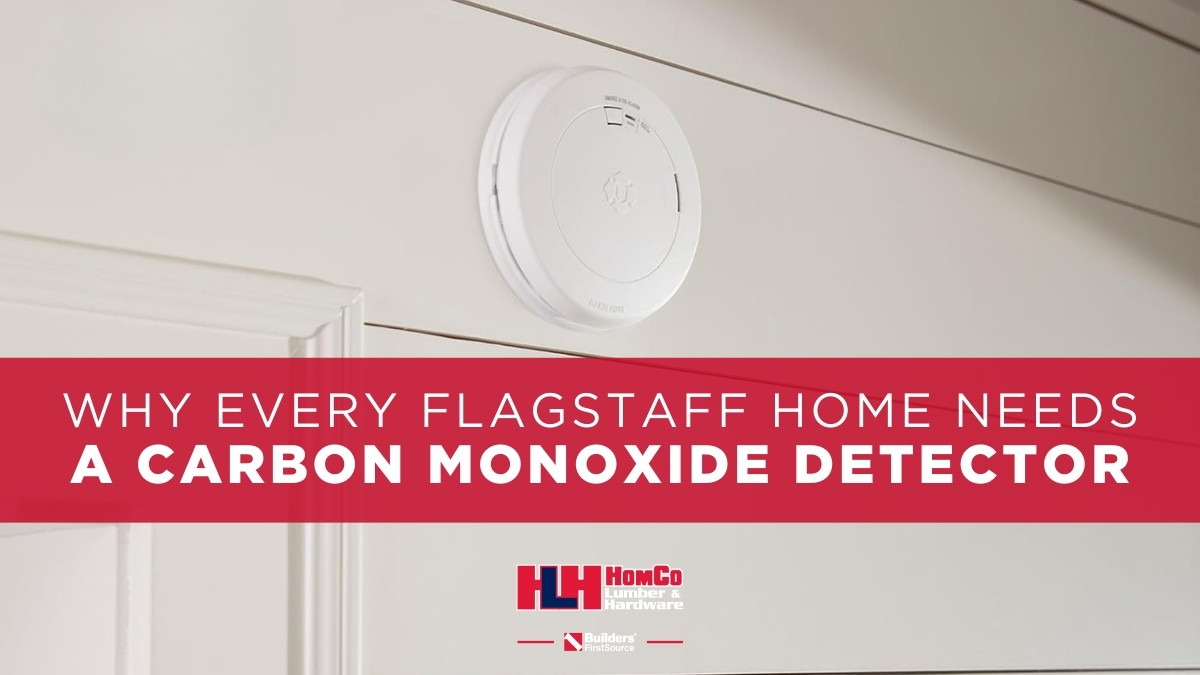
Why Every Flagstaff Home Needs a Carbon Monoxide Detector
Winter in Flagstaff brings snow-covered roofs, cozy wood stoves, and heaters working overtime.
But it also brings one of the most dangerous home safety risks we see every year: carbon monoxide. Unlike smoke, carbon monoxide gives no warning signs:
- no smell,
- no taste,
- no visible clue.
And during Northern Arizona winters, carbon monoxide poisoning is one of the leading causes of illness and injury in homes. That’s why having the right detectors, in the right places, isn’t optional; it’s essential.
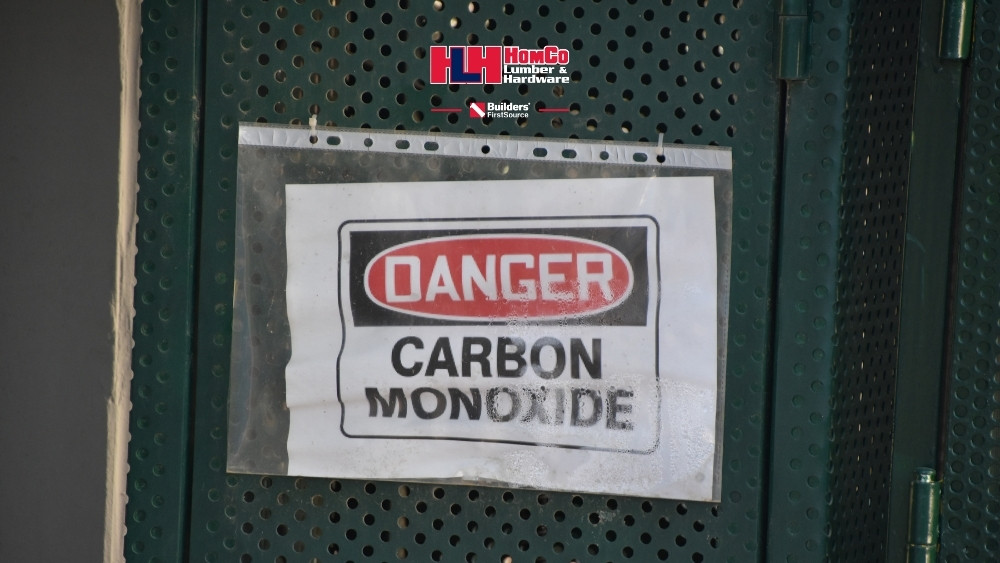
What Is Carbon Monoxide and Why You Can’t Detect It
Carbon monoxide (CO) is a gas created by incomplete combustion. That means it forms when fuel-burning appliances don’t burn properly.
The danger?
Humans cannot smell, taste, or see carbon monoxide. Without a detector, there’s no way to know it’s building up in your home until symptoms appear — and by then, it can already be serious.
How Carbon Monoxide Is Created
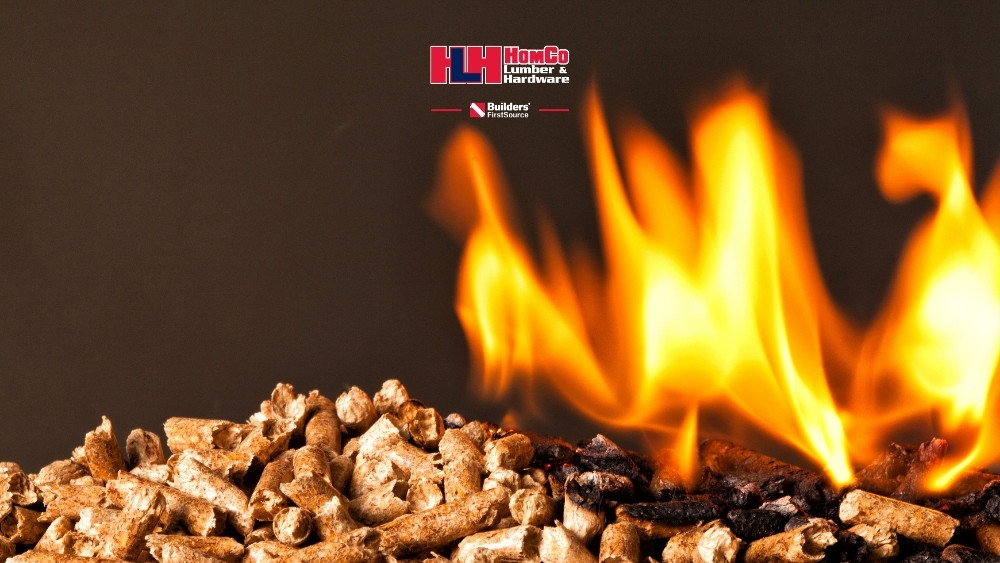
Carbon monoxide is produced anytime fuel doesn’t burn completely. This includes natural gas, propane, wood, and pellets — all common energy sources in Flagstaff homes during winter.
Why Carbon Monoxide Is a Bigger Risk in Flagstaff Winters
According to Flagstaff Fire Department, carbon monoxide incidents increase significantly during winter months in Northern Arizona.
Common Winter Causes of Carbon Monoxide in Northern Arizona Homes
- A water heater pilot light going out
- A furnace pilot light malfunctioning
- Wood stoves not drafting correctly
- Pellet stoves failing or clogging
- Snow-covered vents preventing exhaust from escaping
When exhaust can’t leave your home, carbon monoxide has nowhere to go — except inside.
Carbon Monoxide Symptoms: Why It’s So Dangerous
Carbon monoxide poisoning often starts subtly, which is why it’s so easy to miss.
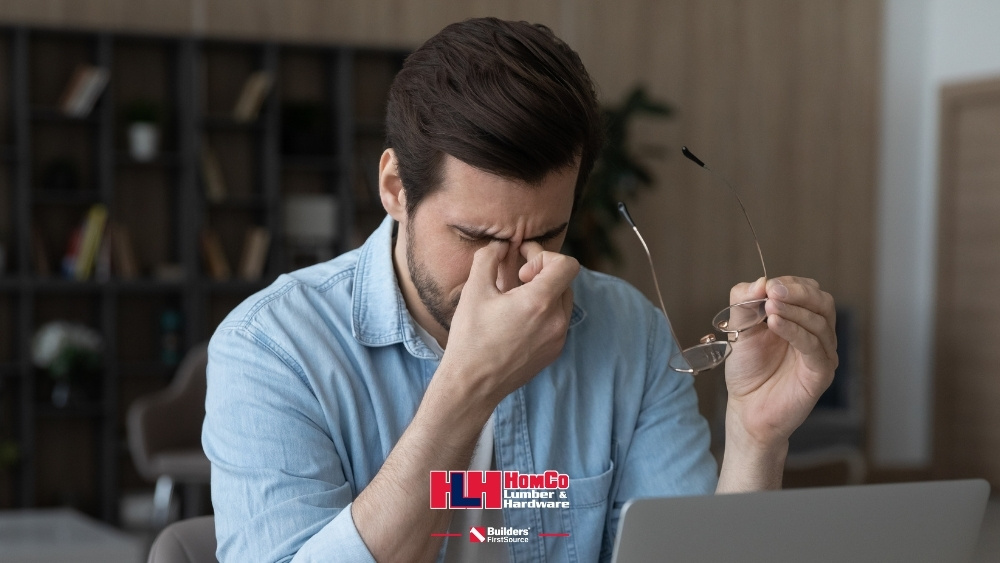
Early Warning Signs to Watch For
- Headaches
- Dizziness
- Feeling nauseous or “off”
- Fatigue or confusion
If exposure continues and you don’t leave the environment, symptoms can worsen. And in severe cases, carbon monoxide poisoning can be fatal. Many people mistake early symptoms for the flu or altitude sickness, which delays getting help.
Smoke Alarm vs. Carbon Monoxide Detector: Why You Need Both
One of the most common misconceptions is that a smoke alarm alone is enough.
Smoke alarms and carbon monoxide detectors serve completely different purposes:
- Smoke alarms detect smoke and fire
- Carbon monoxide detectors detect invisible, toxic gas
Why Combination Alarms Aren’t Always Enough
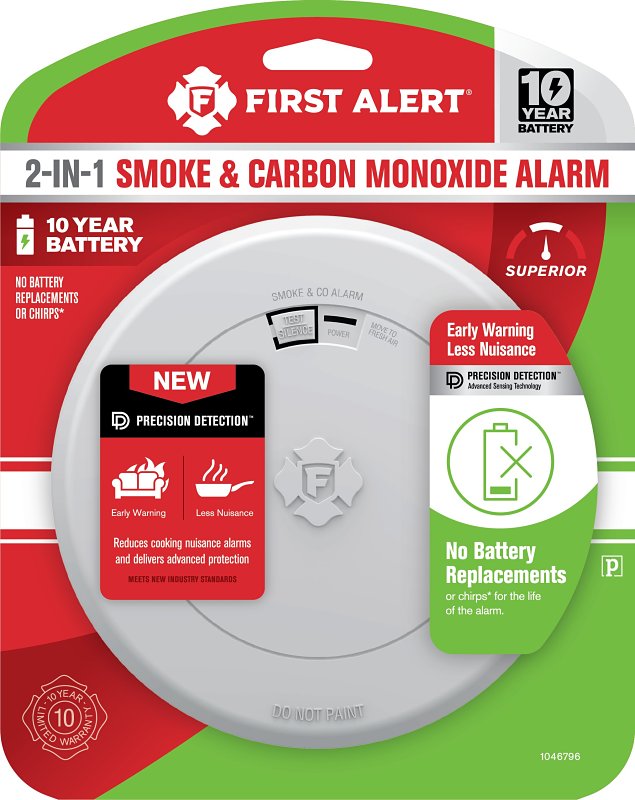
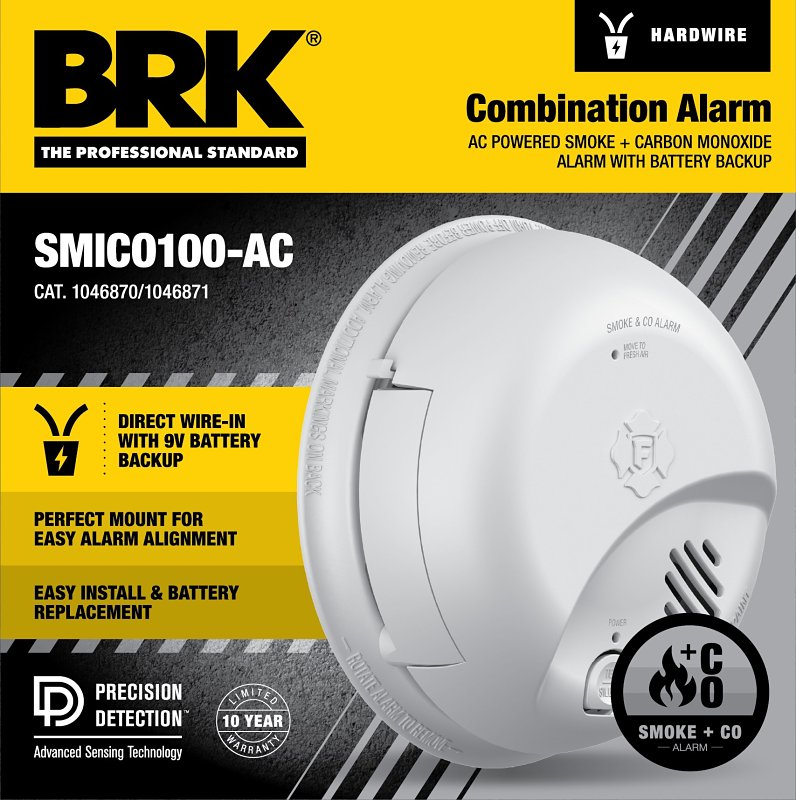
Smoke alarms work best when placed higher on walls or ceilings. Carbon monoxide, however, is heavier — which means a combination alarm may not detect dangerous levels as quickly.
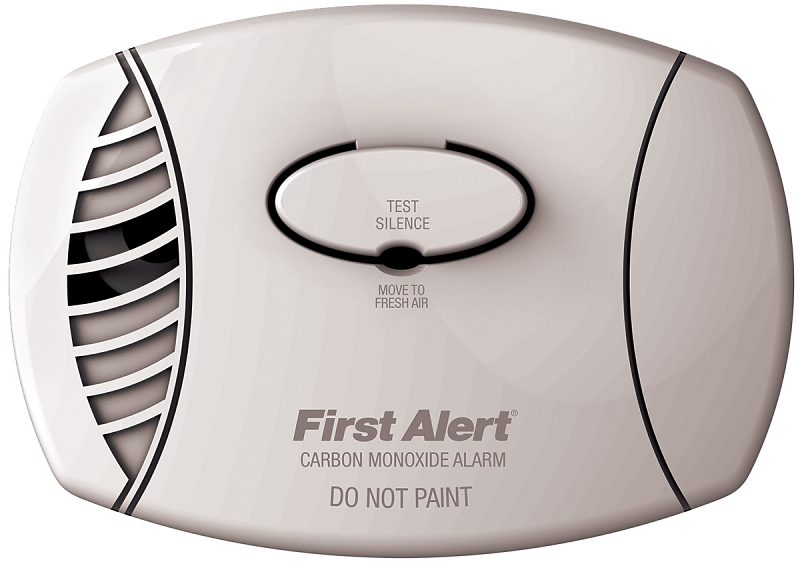
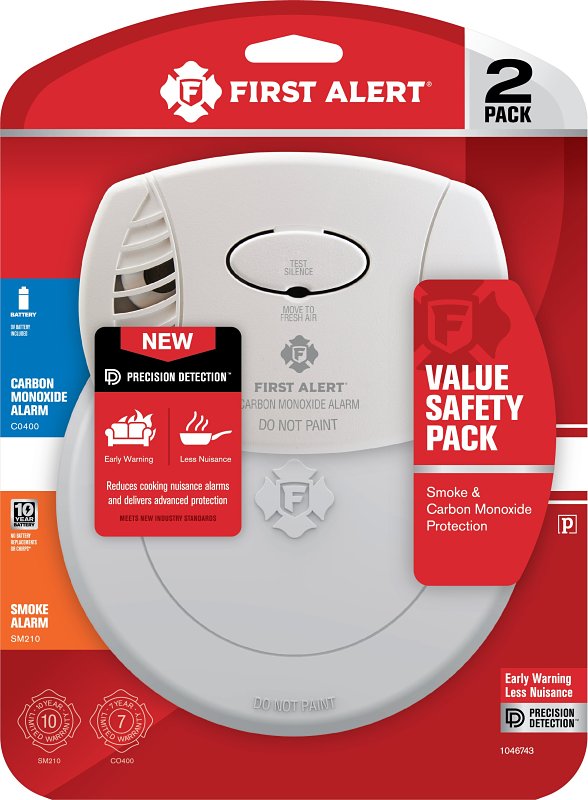
A separate, plug-in carbon monoxide detector placed lower can detect the gas sooner and provide earlier warning.
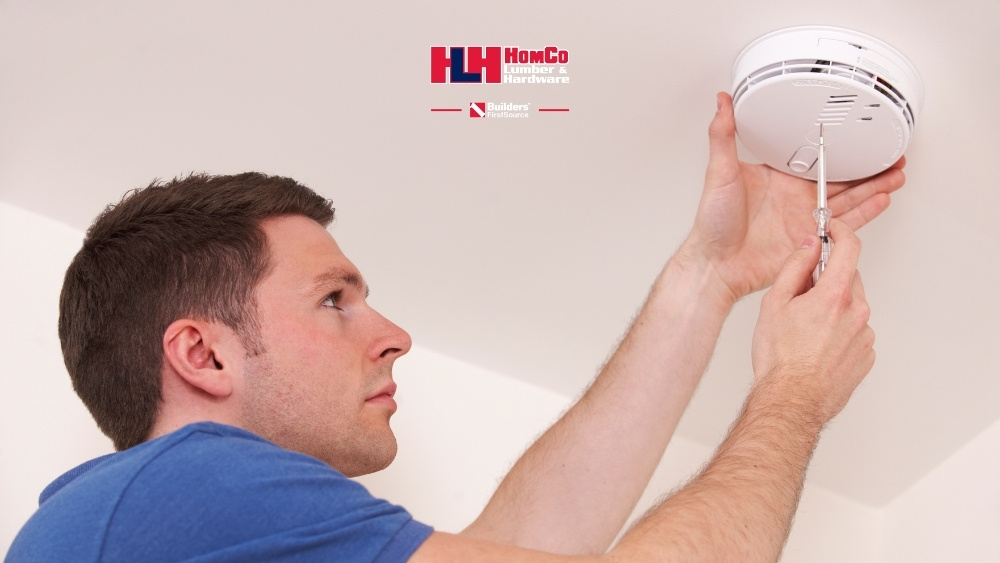
Where Carbon Monoxide Detectors Should Be Installed
Proper placement is just as important as having the detector itself.
Most Important Locations in Your Home
Fire safety experts recommend installing carbon monoxide detectors:
- Outside all sleeping areas (the most important location)
- On every level of your home
- Near fuel-burning appliances, but not directly above them to avoid false alarms
If you can only pick one location, the most important place for a carbon monoxide alarm is outside of sleeping areas.
Monthly Maintenance That Can Save Your Life
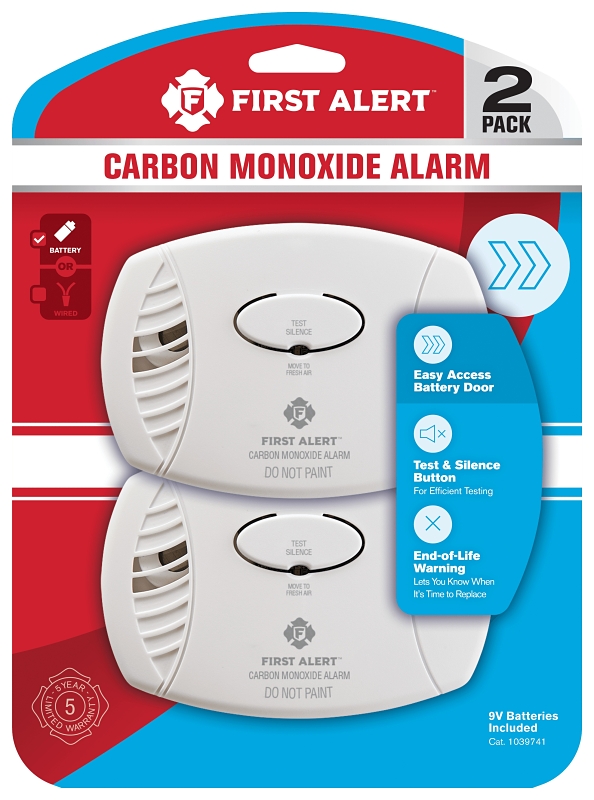
Carbon monoxide detectors are relatively inexpensive, but they only work if they’re maintained.
Simple Monthly Safety Checklist
- Test all smoke and carbon monoxide alarms once a month
- Replace batteries before they fail
- Never ignore chirping sounds
Staying ahead of battery failure is one of the easiest ways to protect your household.
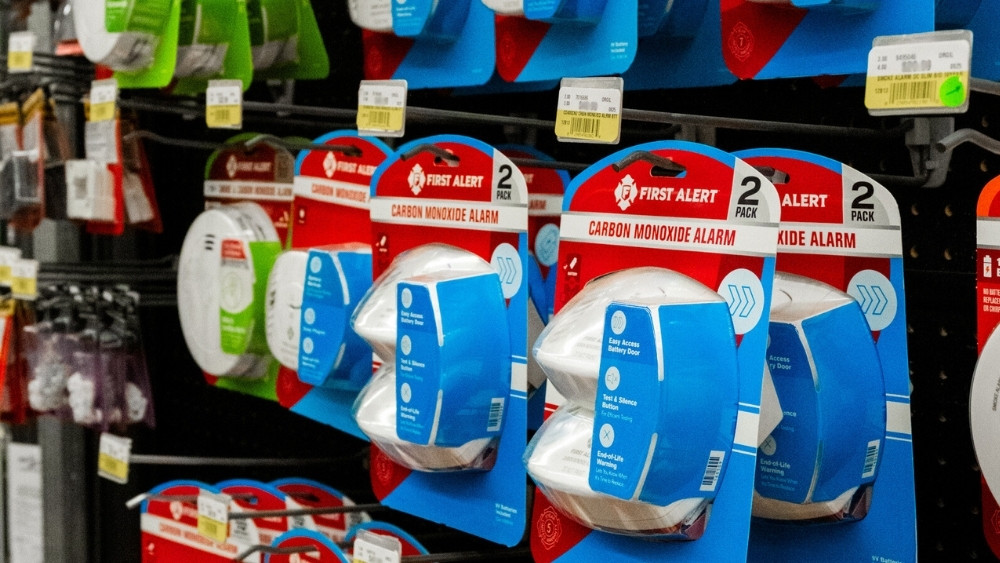
A Local Reminder from HomCo
During the filming of our video with HomCo Lumber & Hardware and Flagstaff Fire, even Chuck from HomCo admitted something important:
? He realized he needed to buy a carbon monoxide detector himself.
If this conversation made a difference for someone who works around home improvement every day, it’s worth checking your own home too.
Don’t Wait for a Warning You’ll Never Smell
Carbon monoxide doesn’t announce itself. It doesn’t give second chances. But prevention is simple, affordable, and extremely effective.
Why Every Flagstaff Home Needs a Carbon Monoxide Detector
Winter in Flagstaff brings snow-covered roofs, cozy wood stoves, and heaters working overtime.
But it also brings one of the most dangerous home safety risks we see every year: carbon monoxide. Unlike smoke, carbon monoxide gives no warning signs:
- no smell,
- no taste,
- no visible clue.
And during Northern Arizona winters, carbon monoxide poisoning is one of the leading causes of illness and injury in homes. That’s why having the right detectors, in the right places, isn’t optional; it’s essential.
What Is Carbon Monoxide and Why You Can’t Detect It
Carbon monoxide (CO) is a gas created by incomplete combustion. That means it forms when fuel-burning appliances don’t burn properly.
The danger?
Humans cannot smell, taste, or see carbon monoxide. Without a detector, there’s no way to know it’s building up in your home until symptoms appear — and by then, it can already be serious.
How Carbon Monoxide Is Created
Carbon monoxide is produced anytime fuel doesn’t burn completely. This includes natural gas, propane, wood, and pellets — all common energy sources in Flagstaff homes during winter.
Why Carbon Monoxide Is a Bigger Risk in Flagstaff Winters
According to Flagstaff Fire Department, carbon monoxide incidents increase significantly during winter months in Northern Arizona.
Common Winter Causes of Carbon Monoxide in Northern Arizona Homes
- A water heater pilot light going out
- A furnace pilot light malfunctioning
- Wood stoves not drafting correctly
- Pellet stoves failing or clogging
- Snow-covered vents preventing exhaust from escaping
When exhaust can’t leave your home, carbon monoxide has nowhere to go — except inside.
Carbon Monoxide Symptoms: Why It’s So Dangerous
Carbon monoxide poisoning often starts subtly, which is why it’s so easy to miss.
Early Warning Signs to Watch For
- Headaches
- Dizziness
- Feeling nauseous or “off”
- Fatigue or confusion
If exposure continues and you don’t leave the environment, symptoms can worsen. And in severe cases, carbon monoxide poisoning can be fatal. Many people mistake early symptoms for the flu or altitude sickness, which delays getting help.
Smoke Alarm vs. Carbon Monoxide Detector: Why You Need Both
One of the most common misconceptions is that a smoke alarm alone is enough.
Smoke alarms and carbon monoxide detectors serve completely different purposes:
- Smoke alarms detect smoke and fire
- Carbon monoxide detectors detect invisible, toxic gas
Why Combination Alarms Aren’t Always Enough
Smoke alarms work best when placed higher on walls or ceilings. Carbon monoxide, however, is heavier — which means a combination alarm may not detect dangerous levels as quickly.
A separate, plug-in carbon monoxide detector placed lower can detect the gas sooner and provide earlier warning.
Where Carbon Monoxide Detectors Should Be Installed
Proper placement is just as important as having the detector itself.
Most Important Locations in Your Home
Fire safety experts recommend installing carbon monoxide detectors:
- Outside all sleeping areas (the most important location)
- On every level of your home
- Near fuel-burning appliances, but not directly above them to avoid false alarms
If you can only pick one location, the most important place for a carbon monoxide alarm is outside of sleeping areas.
Monthly Maintenance That Can Save Your Life
Carbon monoxide detectors are relatively inexpensive, but they only work if they’re maintained.
Simple Monthly Safety Checklist
- Test all smoke and carbon monoxide alarms once a month
- Replace batteries before they fail
- Never ignore chirping sounds
Staying ahead of battery failure is one of the easiest ways to protect your household.
A Local Reminder from HomCo
During the filming of our video with HomCo Lumber & Hardware and Flagstaff Fire, even Chuck from HomCo admitted something important:
? He realized he needed to buy a carbon monoxide detector himself.
If this conversation made a difference for someone who works around home improvement every day, it’s worth checking your own home too.
Don’t Wait for a Warning You’ll Never Smell
Carbon monoxide doesn’t announce itself. It doesn’t give second chances. But prevention is simple, affordable, and extremely effective.